Gas prices in Costa Rica: super or regular, which is better now that regular costs more?
Today's gas prices in Costa Rica and why regular now costs ₡2 more than super: the difference between them, when you can switch without harming the engine and how much you really save.

Since November 4, 2026 something unusual is happening in Costa Rica: regular gasoline (₡808 per liter) costs more than super (₡806). Should you switch to super? It depends on your car. Here's what to know, along with today's gas prices.
Gas prices in Costa Rica
- Super gasoline: ₡806 per liter.
- Regular gasoline: ₡808 per liter.
- Diesel: ₡808 per liter.
Prices are the same at every gas station in the country and change almost every month. See today's gas prices, updated automatically from RECOPE.
What's the difference between super and regular?
- Super: 95 octane.
- Regular (Plus 91): 91 octane.
Octane measures how well fuel resists igniting too early inside the engine. Higher octane doesn't mean more power or better mileage: it means an engine that needs it runs without knocking.
What your car's manual says
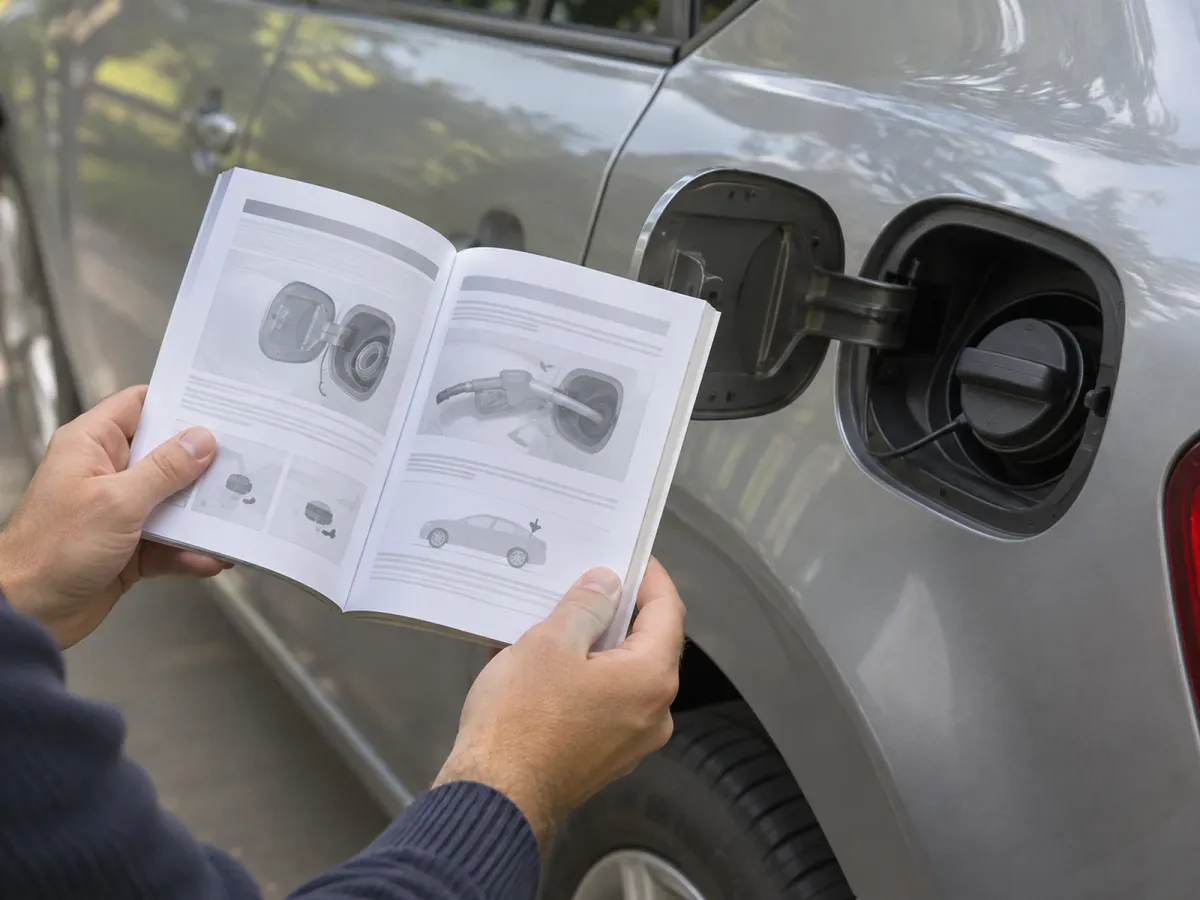
- If the manual calls for 95 octane: use super. Using regular can damage the engine over time.
- If the manual accepts 91 octane: you can use either. According to RECOPE, most cars in the country run fine on regular.
- Switching from regular to super doesn't harm the engine. Switching from super to regular can, if the engine calls for 95.
Check the manual or the label inside the fuel door before switching. Driving a rental car? The rental company can tell you.
How much do you save?

At current prices the difference is ₡2 per liter: on a 40-liter tank, ₡80. If your car accepts both, you lose nothing by using super while it's cheaper, but the savings are minimal. What does matter is the increase: with regular, filling 40 liters costs ₡3,560 more than before the adjustment. See gas at ₡808: how much more it costs.
This article is for information only and doesn't replace your vehicle manufacturer's instructions.